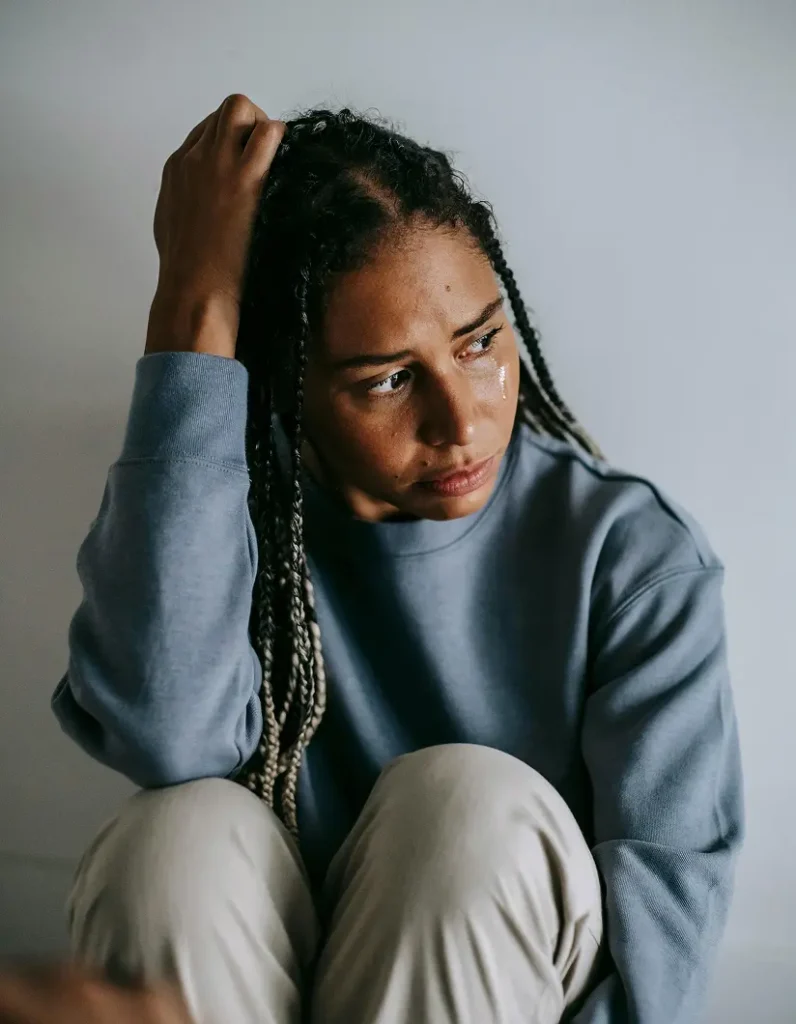
Obsessive-compulsive disorder (OCD) involves unwanted, distressing thoughts and repeated actions done to relieve the anxiety they cause.
Ayesha Siddique offers supportive counselling in Islamabad, Rawalpindi and online, with referral to specialists for OCD treatment.
How counselling helps with OCD
Counselling helps you understand how the obsession–compulsion cycle works and supports you and your family while you access specialist treatment.
- Understanding the OCD cycle
- Reducing reassurance-seeking
- Coping skills for anxiety
- Family guidance on not accommodating rituals
- Support alongside specialist treatment
Related support: Anxiety, Phobias, Psychological assessment.
When to seek help for OCD
Signs it may be time to talk to someone
- Repeated unwanted thoughts, images or urges
- Excessive washing, checking, counting or arranging
- Needing things to feel ‘just right’
- Religious or moral worries that won’t settle
- Seeking reassurance again and again
- Rituals taking up a lot of time each day
The recommended treatment for OCD is exposure and response prevention delivered by a trained clinical psychologist, sometimes with medication from a psychiatrist. Ayesha will refer you for specialist treatment and can offer supportive sessions alongside.
Sessions are held in person in Islamabad and Rawalpindi, or online across Pakistan and worldwide, in Urdu or English.
Frequently asked questions
Is OCD just being very neat?
No. OCD is driven by distressing thoughts and anxiety, and rituals can take hours a day.
Can OCD be treated?
Yes. Specialist therapy and, where needed, medication help most people reduce symptoms significantly.
How can my family help?
Families can learn how to support without joining in rituals or giving constant reassurance.
What happens in the first session?
The first session focuses on understanding your concerns and agreeing on clear goals. You can ask questions and decide whether counselling feels right for you.
How much does a session cost?
Sessions are PKR XXXX. Contact us for current fees for in-person and online sessions.
Are sessions available online and in Urdu?
Yes. Sessions are held in person in Islamabad and Rawalpindi, or online over secure video call from anywhere in Pakistan or abroad, in Urdu or English.